Working Memory Reset
Short breaks may allow working memory to partially clear accumulated interference from sustained processing, creating capacity for new information intake.
What cognitive science and attention research observe about the role of rest in maintaining focus and processing capacity during demanding work.
Cognitive load theory, originally developed in educational psychology, describes how working memory has limited capacity. When tasks demand sustained attention, these resources gradually deplete.
Research on vigilance tasks — activities requiring continuous monitoring — has consistently shown that performance accuracy tends to decline over time. This phenomenon, sometimes called the vigilance decrement, appears across various types of cognitive work.
The rate of this decline varies based on task complexity, individual differences, and environmental factors. However, the general pattern of diminishing returns during extended unbroken focus has been widely observed.
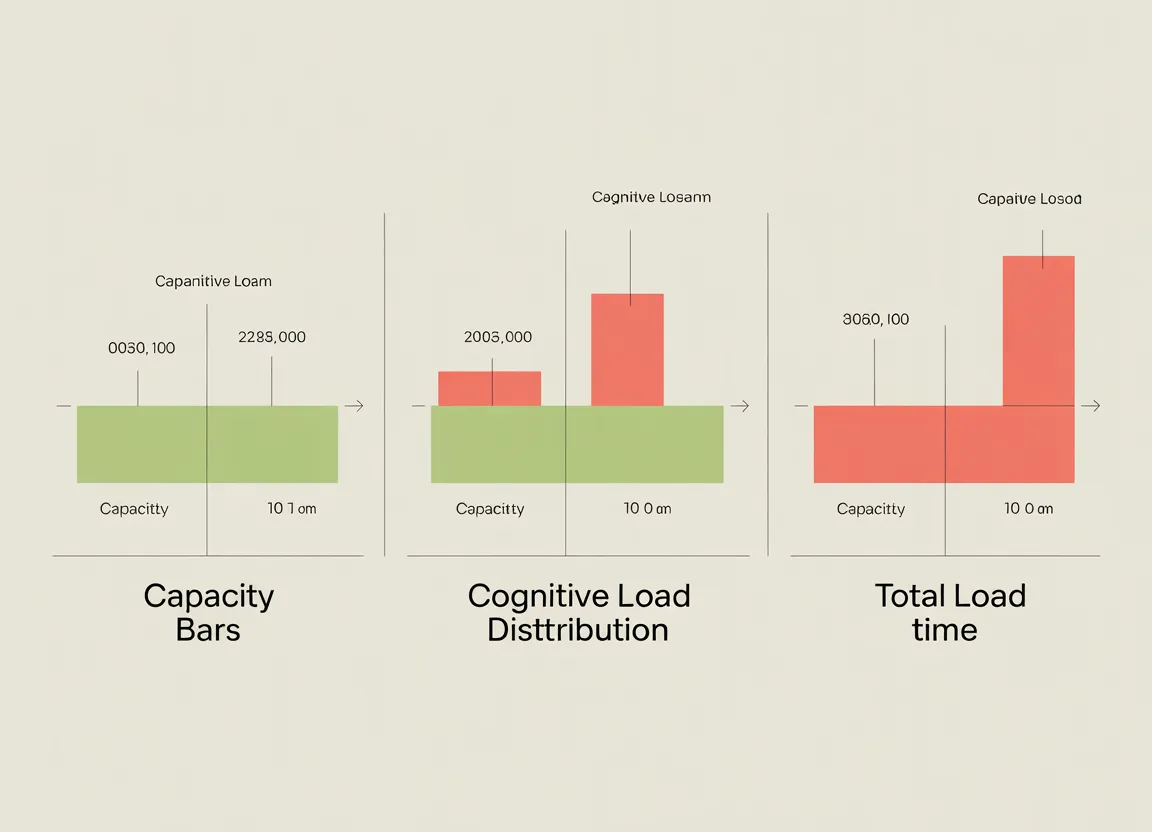
Cognitive recovery during breaks involves several processes that researchers have identified and studied across different experimental contexts.
Short breaks may allow working memory to partially clear accumulated interference from sustained processing, creating capacity for new information intake.
During rest, the brain's default mode network becomes more active. This network is associated with mind-wandering, daydreaming, and — potentially — creative problem-solving.
Some evidence suggests that brief rest intervals support the transfer of information from working memory to longer-term storage, a process sometimes called memory consolidation.
| Research Area | Observation | Context |
|---|---|---|
| Vigilance Studies | Performance on sustained attention tasks tends to decline after 15–20 minutes of continuous focus | Laboratory monitoring tasks |
| Micro-break Research | Brief pauses of 30 seconds to 2 minutes show associations with reduced subjective fatigue | Office and screen-based work |
| Physical Movement | Walking breaks are associated with self-reported improvements in mood and creative thinking scores | Workplace walking studies |
| Nature Exposure | Brief exposure to natural settings is associated with higher scores on directed attention measures | Attention Restoration Theory |
| Napping Studies | Short naps of 10–20 minutes are associated with improved alertness in subsequent tasks | Sleep and performance research |
Cognitive endurance, optimal break frequency, and recovery speed vary significantly between individuals. Research findings represent averages that may not apply universally.
Many studies on breaks and attention are conducted in controlled laboratory settings. Real-world work environments introduce variables that may influence how these findings apply in practice.
The type of cognitive work significantly influences break needs. Creative, analytical, and routine tasks may each have different optimal rest patterns and durations.
Research on cognitive breaks continues to develop. Current findings provide useful patterns, but the full picture of how rest supports cognition remains an active area of investigation.
All materials and practices presented are educational and informational in nature and are aimed at supporting general well-being. They do not constitute medical diagnosis, treatment, or recommendation. Before applying any practice, especially if you have chronic conditions, consult a physician.